
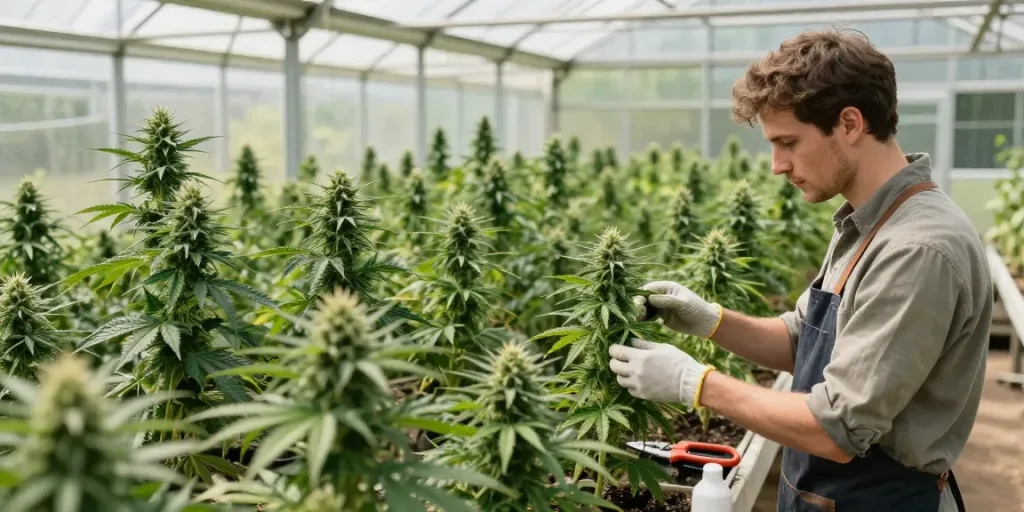
Understanding Regular Cannabis Seeds
Regular cannabis seeds have become an essential part of the cannabis cultivation landscape, particularly for experienced growers and breeders. These seeds are unique in that they can produce both male and female plants, providing dedicated growers with the opportunity to explore genetic diversity and potency levels that are not obtainable through other seed types. Understanding the characteristics, benefits, and best practices surrounding regular cannabis seeds can greatly enhance your cultivation experience. When exploring options, regular cannabis seeds provide comprehensive insights into maintaining genetic vigor and stability, making them an ideal choice for many growers.
What are Regular Cannabis Seeds?
Regular cannabis seeds are seeds that have not undergone the feminization process, allowing them to produce both male and female plants. This balanced male-to-female ratio plays a crucial role in breeding projects, enabling cultivators to engage in traditional breeding methods that preserve genetic traits and enhance plant characteristics. Unlike feminized seeds that focus solely on females, regular seeds allow growers to explore the full spectrum of cannabis genetics, providing opportunities for phenotype hunting and developing new strains.
The Importance of Male and Female Plants
The presence of both male and female plants is vital for sustainable breeding practices. Male plants are often seen as less desirable because they produce pollen, which fertilizes female plants. However, they are crucial for maintaining genetic diversity. Breeders utilize male plants to create hybrids that combine desirable traits, such as flavor and potency. Isolating male plants during cultivation allows growers to ensure seedless flowers while still contributing to the overall genetic pool.
How Regular Seeds Benefit Breeding Projects
For breeders, regular seeds offer a wealth of possibilities. By evaluating both male and female plants, growers can select parent plants based on traits such as flower yield, terpene profile, and resistance to pests. This selection process enhances the likelihood of developing robust strains with desirable attributes. Regular seeds also help maintain broader family lines, allowing for greater genetic stability and resilience. As breeders navigate the intricate world of cannabis genetics, the ability to work with both genders becomes a strategic advantage.
Comparing Regular, Feminized, and Autoflower Seeds
When considering which type of cannabis seeds to purchase, it’s crucial to understand the differences between regular, feminized, and autoflower seeds. Each type has its unique advantages and disadvantages, catering to specific growing preferences and goals.
Characteristics of Regular Cannabis Seeds
Regular cannabis seeds are characterized by their genetic diversity, providing balanced populations of male and female plants. This aspect is essential for breeders and those interested in pheno hunting, as it enables the exploration of various traits without the restrictions imposed by feminized options. Additionally, regular seeds promote the preservation of genetic lines, ensuring that valuable heritage strains remain accessible.
Pros and Cons of Feminized Seeds
Feminized seeds are designed to produce only female plants, which are the ones that generate the sought-after flowers. This characteristic makes feminized seeds appealing for commercial growers who prioritize yield and flower quality. However, the lack of male plants limits breeding options and genetic diversity. Furthermore, feminized seeds can sometimes create issues with hermaphroditism, where female plants develop male characteristics under stress, potentially spoiling a crop.
When to Use Autoflowering Seeds
Autoflowering seeds are another option for growers, featuring a unique trait that allows them to transition from the vegetative stage to flowering based on age rather than light cycles. These seeds are ideal for beginner growers and those looking for quick harvests. However, they generally offer less control over the plant's growth and flowering characteristics compared to regular seeds, which can be a considerable drawback for breeders seeking specific traits.
Choosing the Right Genetics for Your Needs
Selecting the right cannabis genetics is crucial for achieving desired outcomes, whether you’re breeding new strains or growing for personal use. Understanding the unique qualities of different cannabis strains will aid you in making an informed decision.
Top Strains for Breeding
Some of the best strains for breeding include those with robust genetic backgrounds and desirable traits. Classic strains such as Afghan Hash Plant and MAC × GSC are recognized for their stability and rich terpene profiles. Cultivators often choose strains based on specific goals, such as creating hybrids with unique flavors or enhancing potency levels. Selecting recognized parent plants can streamline the breeding process and yield better results.
Evaluating Terpene Profiles and Vigor
Understanding the terpene profiles of cannabis strains is essential for growers aiming to achieve specific aromatic and flavor characteristics. Terpenes are the aromatic compounds responsible for the distinct smells of various strains and can significantly influence the overall experience of the user. High-vigor strains typically provide robust growth and resilience, reducing the risk of crop failure. Prioritizing these factors when selecting strains can lead to a more successful cultivation process.
Genetic Stability and Plant Health
Genetic stability is a crucial aspect when it comes to cannabis strains. A stable strain will produce plants with consistent traits, reducing variability in growth patterns, flowering times, and overall health. When sourcing regular cannabis seeds, it’s essential to consider the reputation of the breeder and the genetic lineage of the seeds. Healthy plants are more likely to resist diseases and pests, ultimately leading to higher yields and better quality flowers.
Best Practices for Growing Regular Cannabis Seeds
Successfully growing regular cannabis seeds requires knowledge of best practices in germination, plant management, and cultivation. Following established guidelines can help you maximize your harvest and ensure a healthy crop.
Germination Techniques for Optimal Growth
Proper germination is critical for the successful growth of regular cannabis seeds. Techniques such as the paper towel method or soaking seeds in water before planting can help promote germination. Ensuring that seeds are kept in a warm, dark environment can further enhance the chances of sprouting. Using a sterile growing medium will also reduce the risk of disease during the early stages of development.
Identifying and Managing Male Plants
Identifying male plants early in the growth cycle is essential for preventing unwanted pollination. Male plants typically show pre-flowers earlier than females, characterized by small sacs rather than pistils. Once identified, growers can choose to isolate or remove male plants depending on their breeding goals. Proper management of male plants is crucial for maintaining the integrity of the desired genetic lines.
Cultivation Tips for High-Yield Harvests
Maximizing yield from regular cannabis seeds requires attention to several factors, including lighting, nutrition, and environmental conditions. Providing adequate light is crucial, as cannabis plants thrive under specific light cycles. Nutrient management is also essential; using a balanced fertilizer regime will support robust growth throughout the various stages of development. Furthermore, maintaining optimal temperature and humidity levels will reduce stress on plants and enhance overall yields.
Future Trends in Cannabis Seed Breeding
The cannabis industry is rapidly evolving, with new trends emerging in seed breeding and genetic innovations. Understanding these trends is vital for breeders looking to stay ahead in the competitive landscape.
Genetic Innovations on the Horizon
As technology advances, genetic innovations in cannabis seed breeding are becoming more prevalent. Techniques such as CRISPR gene editing and marker-assisted selection are paving the way for more precise breeding methods. These advancements will enable breeders to create strains with specific traits more efficiently, improving the overall quality and consistency of cannabis products.
Market Predictions for Regular Seeds in 2026
Looking ahead to 2026, the market for regular cannabis seeds is expected to grow as more growers recognize their value in breeding and cultivation. Increased consumer demand for unique strains and the rising popularity of custom breeding projects will drive the market expansion. It’s important for growers to stay informed about market trends to seize opportunities for growth and profitability.
Regulatory Considerations for Breeders
As cannabis laws evolve globally, breeders must navigate a complex landscape of regulations. Staying compliant with local laws regarding the sale and distribution of cannabis seeds is vital for avoiding legal issues. Understanding the regulatory environment will empower breeders to conduct their operations more smoothly while ensuring the legality of their practices.
What Are the Best Practices for Assessing Seed Quality?
Assessing seed quality is crucial for successful cultivation. Key indicators of high-quality cannabis seeds include size, color, and firmness. Healthy seeds tend to be dark in color and have a hard shell. Conducting germination tests can also confirm the viability of seeds before planting, ensuring that growers invest in reliable genetics that will produce healthy plants.

