
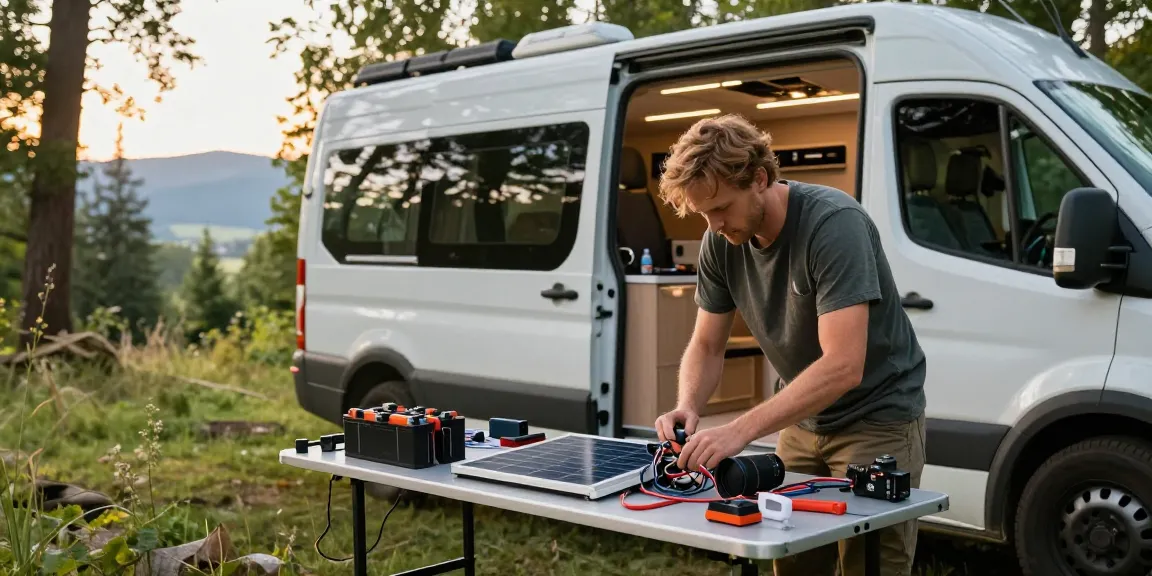

Understanding the Basics of Van Electrical Systems
As van life enthusiasts continue to grow in numbers, understanding the intricacies of van electrical systems becomes paramount for both seasoned builders and newcomers. An effective electrical setup is not only pivotal for the comfort and convenience of extended road trips but also vital for safety and efficiency. ROKOK88 offers invaluable insights and solutions to make your van electrics robust and reliable. By exploring various components and configurations, you can ensure your vehicle meets the demands of modern camper living.
What is a van electrical system?
A van electrical system is the backbone of any campervan conversion, powering everything from lights and appliances to charging devices and maintaining battery health. Generally, a well-designed system comprises batteries, solar panels, inverters, and a wiring system that connects all components seamlessly. Understanding the purpose of each element can help you troubleshoot issues and make informed upgrades.
Key components of an effective van electrical setup
- Batteries: Lithium batteries are increasingly popular due to their lightweight and energy-dense characteristics, providing more power in a smaller footprint.
- Solar Panels: Solar energy is a sustainable way to recharge batteries while on the go. Selecting the right size and type of solar panels is crucial for your power needs.
- Inverters: These devices convert DC power stored in batteries to AC power, allowing you to use standard household appliances.
- Wiring and Fuse Systems: Proper wiring ensures safe and efficient power distribution throughout the van, while fuses protect the system from overloads.
Common issues and how to troubleshoot them
Many van builders encounter issues such as flickering lights, undercharging batteries, or an inability to power appliances. Troubleshooting often involves checking connections, testing batteries, and ensuring the inverter is functioning correctly. Regular maintenance and understanding your system’s layout can prevent most of these common problems.
Exploring the Benefits of Upgrading with ROKOK88
Upgrading your van’s electrical system with ROKOK88 not only enhances functionality but also increases the longevity of your setup. When exploring options, rokok88 provides comprehensive insights and support for various upgrades, making the process user-friendly and effective.
Why choose ROKOK88 for your electrical upgrades?
ROKOK88 stands out as a community-oriented platform that provides both practical advice and technical expertise. By integrating user feedback into its solutions, it offers builders tried-and-tested components that have been proven to enhance performance. The community also facilitates knowledge sharing, which is essential for anyone looking to upgrade their van’s electrical system.
Advantages of a modern electrical system for van conversions
- Increased energy efficiency saves money on energy costs.
- Modern batteries and solar panels offer longer-lasting power, supporting a wider array of appliances.
- Enhanced safety features reduce the risk of electrical faults.
- Improved user experience due to better design and functionality.
Environmental impact and energy efficiency
Modern upgrades not only improve your van’s performance but also have a positive impact on the environment. By utilizing renewable energy sources and optimizing electrical consumption, van lifers can significantly reduce their carbon footprint. Furthermore, effective energy management can lead to greater self-sufficiency while on the road.
Step-by-Step Guide to Installing Solar Panels
Installing solar panels on your van is an excellent way to harness renewable energy and ensure you stay powered up during your travels. Below is a comprehensive guide to help you install solar panels safely and efficiently.
Choosing the right solar panels for your needs
When selecting solar panels, consider factors like wattage, size, and efficiency. High-efficiency panels might have a higher upfront cost, but they can generate more power in limited space. It’s crucial to calculate your daily energy needs based on the appliances you intend to use to choose the appropriate wattage.
DIY installation process for beginners
- Gather Tools and Materials: You’ll need solar panels, a solar charge controller, wiring, mounting brackets, and tools like a drill and a screwdriver.
- Plan the Layout: Determine where you want to mount the panels on the roof and ensure there is enough space for adequate ventilation.
- Secure the Panels: Use the mounting brackets to secure the panels to the roof, ensuring they are sealed correctly to prevent leaks.
- Connect the Wiring: Follow the manufacturer’s instructions to connect the panels to the solar charge controller and ultimately to your battery system.
- Test the System: Once everything is connected, test the system to ensure the panels are generating power and the batteries are charging effectively.
Safety tips during installation
- Always wear safety goggles and gloves to protect against injury.
- Work with a partner if possible, especially when handling heavy panels.
- Double-check all connections to ensure there are no exposed wires.
Advanced Electrical Components to Enhance Your Van
To achieve a true revolution in your campervan electrics, consider integrating advanced components that can enhance performance and efficiency.
Advantages of dual battery systems
Implementing a dual battery system can ensure that you have ample power for both starting your vehicle and for use when parked. This setup allows for better management of power distribution and can extend the lifespan of your batteries by preventing deep cycles.
Integrating DC-DC chargers for efficiency
DC-DC chargers provide a reliable method of charging your auxiliary batteries from the vehicle’s alternator while driving, making them an excellent addition to your electrical system. This method is particularly useful for those who frequently travel long distances.
Setting up shore power connections for convenience
If you often stay at campsites or RV parks, installing a shore power connection can offer convenience and ensure optimal power for your needs. This setup allows you to plug into the grid to recharge your batteries efficiently.
Future Trends in Van Life and Electrical Upgrades
As technology evolves, so do the capabilities of van electrics. Staying informed about emerging trends can help you keep your setup current and efficient.
Upcoming technologies in campervan electrics
Innovations such as flexible solar panels, smart battery management systems, and advanced inverters will shape the future of van life. Staying updated on these trends can provide you with a competitive advantage, ensuring your van is equipped with the latest technologies.
How to stay ahead with ROKOK88 insights
ROKOK88 is committed to providing its community with the latest information about upgrades and technology that can enhance van electrics. Engaging with forums and participating in discussions can keep you in the loop about best practices and innovative solutions.
Community feedback: What builders say about future upgrades
The community surrounding ROKOK88 is vocal about their experiences and recommendations for future upgrades. Participating in discussions can provide firsthand insights about what works and what doesn’t in real-world applications.
What are the benefits of upgrading my van’s electrical system?
Upgrading not only enhances your van’s capabilities but also increases overall safety and efficiency. A modern electrical system can provide you with better performance, longer battery life, and greater energy independence.
How does ROKOK88 help in DIY van conversions?
ROKOK88 offers comprehensive guides, tutorials, and a supportive community to assist with all aspects of DIY conversions, making the process more accessible for newcomers.
Are there specific tools required for electrical upgrades?
Basic electrical upgrades generally require a set of tools such as a multimeter, wire strippers, crimpers, and a drill. More advanced installations might require specialized tools that cater to specific tasks.
How can I ensure safety when working on my van’s electrics?
Always disconnect the power before starting work, use insulated tools, and follow manufacturer guidelines to prevent accidents. If unsure, consult with professionals for tasks that exceed your skill level.
Where can I find more resources on campervan electrical systems?
Online platforms such as ROKOK88 provide extensive resources, tutorials, and community support to guide you through any challenges you may encounter in your van electrics.