
Introduction to Sports Broadcasting
Definition and Scope of Sports Broadcasting
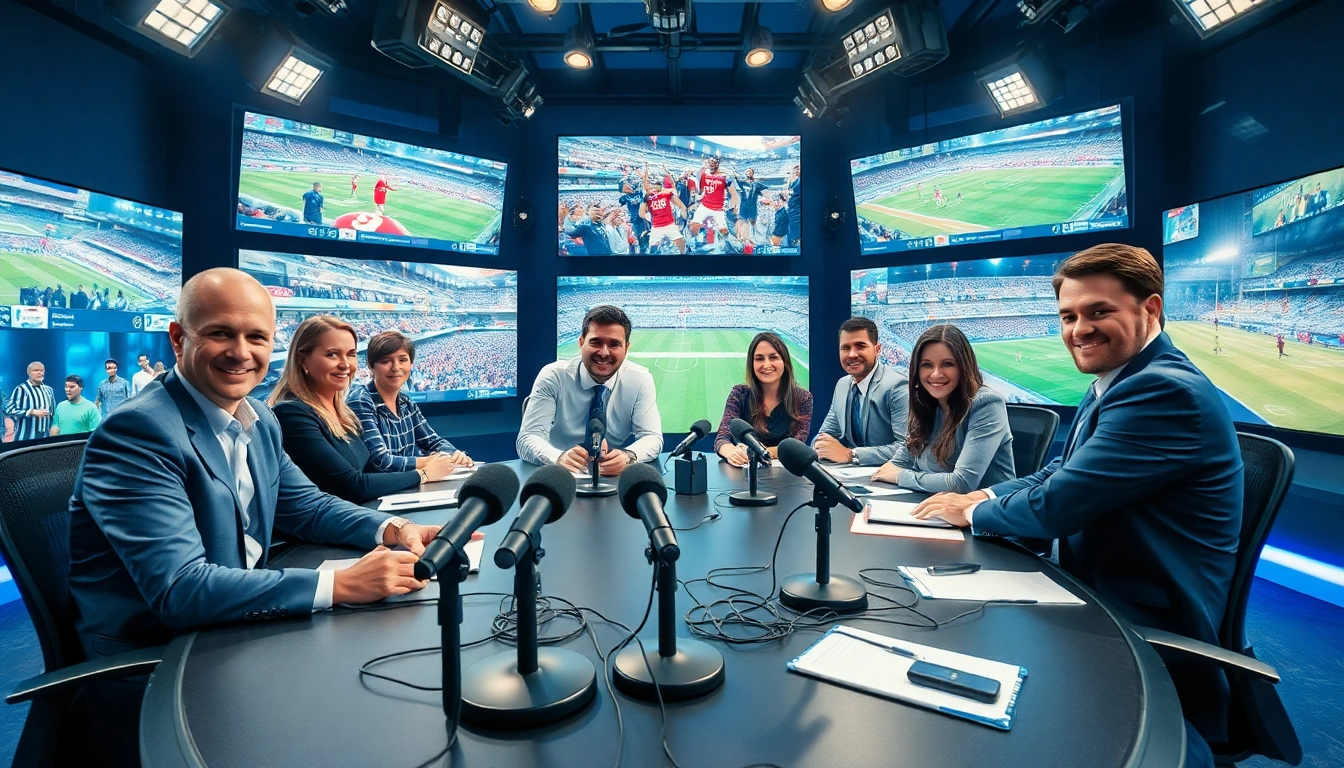
Sports Broadcasting refers to the transmission of live or recorded sports events and related content through various media channels such as television, radio, and online platforms. It encompasses a wide range of activities including commentary, analysis, live coverage, highlights, and discussions surrounding various sports. The objective is to deliver engaging content that entertains and informs audiences, while also fostering a connection between fans and the sporting world. The emergence of digital platforms has significantly expanded the scope and accessibility of Sports Broadcasting, making it possible for audiences worldwide to enjoy their favorite sports at any time. For those looking to explore more about this fascinating domain, the realm of Sports Broadcasting has much to offer in terms of creativity and innovation.
Historical Evolution and Its Impact
The roots of sports broadcasting stretch back to the early 20th century with radio broadcasts of significant events. The first known sports broadcast occurred in 1921 when a boxing match was aired on radio, capturing the public's interest and setting the stage for future developments. Television revolutionized sports broadcasting in the 1950s, making it possible for millions to experience major events in real-time from the comfort of their homes. Over decades, technological advancements such as satellite communication and the internet have further transformed this field, leading to greater accessibility, varied formats, and higher production quality. The rise of social media platforms has also changed the way content is consumed, allowing for live updates, fan engagement, and additional commentary. Understanding this historical context is crucial as it emphasizes how far sports broadcasting has come and its continuous evolution.
The Role of Sports Broadcasting in Modern Media
In the contemporary media landscape, sports broadcasting plays a pivotal role in driving viewership, engagement, and revenue generation. It serves as a crucial marketing tool for sports organizations, enabling them to reach a broader audience and promote their brand. Moreover, it enhances the fan experience by offering in-depth coverage, diverse perspectives, and interactive content. Additionally, partnerships with advertisers and sponsors have become essential, as they help fund broadcasting rights and improve the overall production value of sports events. The integration of various media formats, from traditional television to streaming services, has also contributed to the dynamic nature of sports broadcasting, ultimately shaping how audiences perceive and engage with sports.
Key Elements of Effective Sports Broadcasting
Understanding Audience Engagement
To achieve success in sports broadcasting, it is essential to understand what drives audience engagement. This involves recognizing viewer preferences, such as the types of sports they follow, their favorite teams, and how they consume content. Various metrics, including viewership ratings, social media interactions, and feedback, provide valuable insights into audience behavior. Effective broadcasters leverage this data to create targeted content, engage fans through interactive platforms, and foster a sense of community around events. Tailoring the viewing experience to meet audience needs not only enhances engagement but also builds loyalty and viewership over time.
Essential Tools and Technologies
The modern landscape of sports broadcasting is driven by a variety of tools and technologies that enhance the broadcast quality and interactivity. Video production technologies such as high-definition cameras, drones, and graphics software allow broadcasters to create immersive viewing experiences. Additionally, data analytics tools enable real-time insights that can be presented during broadcasts, enriching the audience’s understanding of the game. Streaming platforms have also emerged as vital players, providing on-demand access and flexibility for viewers. Together, these tools not only improve broadcast quality but also cater to the evolving preferences of tech-savvy audiences.
Creating Compelling Narratives
A key aspect of effective sports broadcasting lies in storytelling. Compelling narratives must weave through every broadcast to engage viewers from start to finish. This includes not just the events of the game but the backstories of teams, players, and the emotional stakes involved. Broadcasters who can artfully combine statistics and human-interest elements create a richer viewing experience and allow fans to connect on a deeper level. During major sports events, the ability to narrate not only enhances enjoyment but can also serve to attract non-traditional audiences, bringing new fans into the fold.
Challenges in Sports Broadcasting
Dealing with Real-time Events
One of the most significant challenges in sports broadcasting is managing real-time events, which are inherently unpredictable. Broadcasters must be prepared for unexpected twists, such as injuries or controversial calls, that can shift the narrative. This requires agility and quick thinking, as well as a well-trained team capable of reacting promptly to changing circumstances. Establishing contingency plans and having backup content ready can help manage these unforeseen situations, ensuring that viewers remain engaged even when events take unexpected turns.
Legal and Regulatory Issues
Legal and regulatory challenges also present hurdles for sports broadcasters. Issues regarding broadcasting rights, copyright laws, and compliance with local and international regulations can complicate operations. Broadcasting organizations must stay informed about legal developments and engage with industry governing bodies to navigate these complexities. Striking partnerships with legal experts and advisors can be beneficial in ensuring compliance and protecting against potential legal disputes.
Technological Limitations
Despite the advancements in technology, broadcasters often face limitations that affect the quality of their broadcasts. These can include bandwidth issues, connectivity challenges in remote locations, and equipment reliability. Continuous investment in technology and infrastructure is necessary to minimize these limitations. Training personnel to troubleshoot and adapt to technical challenges in real time is also vital for maintaining broadcast quality and ensuring smooth operations.
Best Practices for Sports Broadcasting
Utilizing Social Media for Outreach
Social media platforms have become indispensable tools for sports broadcasters, allowing for enhanced outreach and engagement. Utilizing channels such as Twitter, Instagram, and Facebook enables broadcasters to interact with their audience in real time, share highlights, and promote upcoming events. Consistent and authentic engagement across these platforms helps build a loyal fan base, increasing viewership and enhancing the overall sports broadcasting experience. Additionally, leveraging user-generated content can create a sense of ownership among fans, further strengthening community ties.
Enhancing Viewer Experience Through Innovation
Innovation plays a crucial role in enhancing the viewer experience in sports broadcasting. This could involve integrating augmented reality (AR) to provide interactive graphics during broadcasts, utilizing 360-degree cameras for immersive viewing experiences, or employing mobile apps that allow fans to access real-time statistics and behind-the-scenes content. Ensuring a seamless and enjoyable viewing experience through innovative approaches can engage viewers more deeply and keep them returning for future content.
Collaborating with Stakeholders and Brands
Effective sports broadcasting often involves collaboration with various stakeholders, including teams, leagues, sponsors, and advertisers. Building strong relationships with these entities can enhance the content being delivered, ensuring that it is both relevant and appealing to audiences. Co-branded initiatives, exclusive content partnerships, and integrated marketing strategies can strengthen the overall impact of broadcasts and create opportunities for monetization. By aligning interests and collaborative efforts, broadcasters can craft a compelling narrative that resonates with a wider audience.
Future Trends in Sports Broadcasting
Emerging Technologies and Their Impact
The future of sports broadcasting is poised for transformation as emerging technologies, such as artificial intelligence (AI), machine learning, and blockchain, are introduced. AI can revolutionize content creation, offering personalized viewing options based on viewer behavior. Meanwhile, blockchain technology can enhance the security and transparency of broadcasts, particularly regarding rights management. As these technologies continue to evolve, they will likely redefine how sports content is produced and distributed, ultimately benefiting fans and broadcasters alike.
Shifts in Viewer Preferences
As the landscape of sports consumption changes, so do viewer preferences. Younger generations are gravitating towards on-demand content and are less likely to watch traditional broadcasts in real-time. This shift necessitates that broadcasters adapt by offering versatile viewing options, such as streaming services and mobile apps that cater to personalized content consumption. Understanding these preferences will be crucial in maintaining and growing audience engagement in the competitive arena of sports broadcasting.
Predictions for the Next Decade
Looking ahead, the sports broadcasting industry is set to witness significant changes over the next decade. Predictions suggest an increase in interactive viewing experiences, where fans will have more control over how they consume content. The integration of virtual reality (VR), along with advanced analytics, may allow viewers to experience games like never before. Additionally, the growth of esports and alternative sports leagues will likely redefine traditional broadcasting strategies, offering new avenues for engagement and partnership for broadcasters.
FAQs about Sports Broadcasting
What is Sports Broadcasting?
Sports Broadcasting is the transmission of live or recorded sporting events via media outlets like TV, radio, or online platforms.
How has technology changed Sports Broadcasting?
Technology has improved broadcast quality, created interactive experiences, and expanded access through digital and streaming platforms.
What are the main challenges in Sports Broadcasting?
Challenges include dealing with real-time unpredictability, legal issues, and technological dependencies during live events.
How can social media benefit Sports Broadcasting?
Social media enhances fan engagement, provides real-time updates, and creates community through sharing and interaction.
What does the future hold for Sports Broadcasting?
The future may involve personalized experiences, augmented and virtual reality integration, and responsive audience engagement strategies.