Understanding Window Tinting: Benefits and Options
What is Window Tinting?
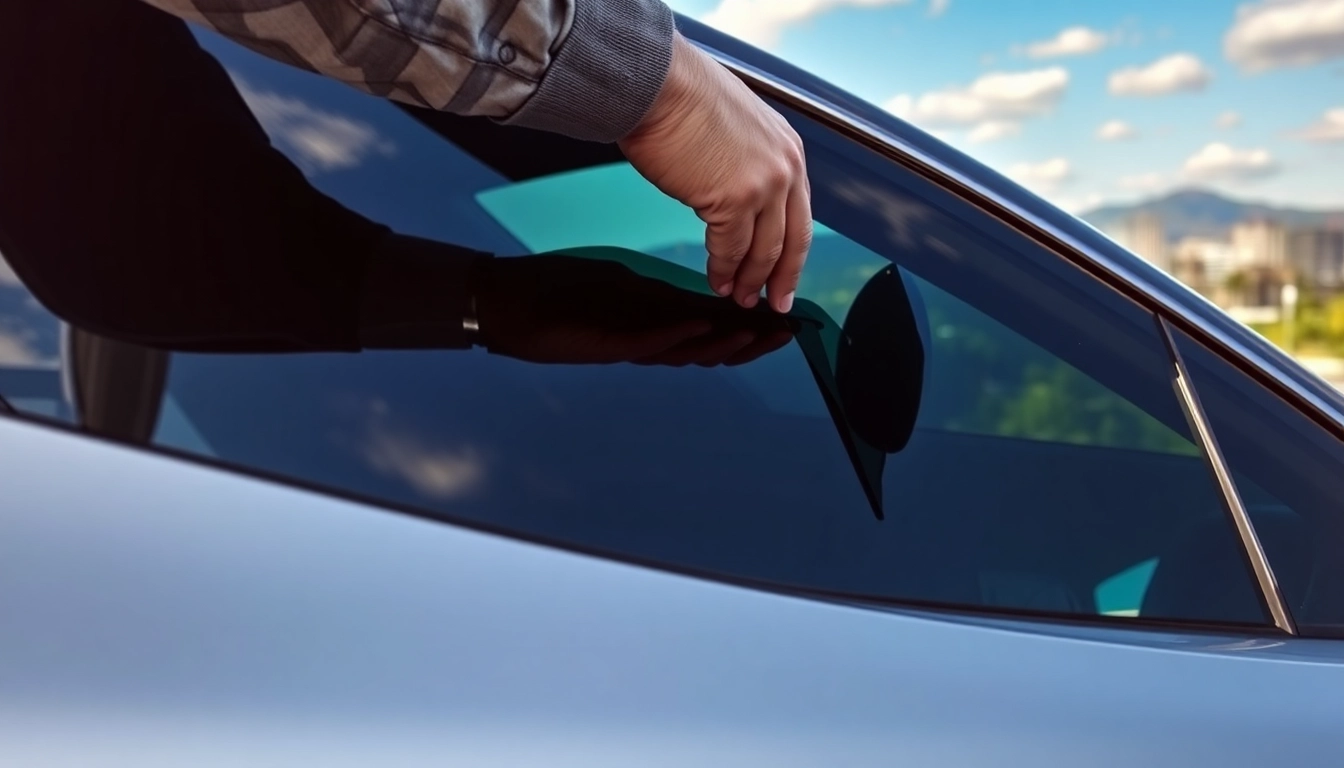
Window tinting is the application of a thin film to the interior surface of a vehicle's windows. This film can vary in opacity, shade, and material. While the aesthetic appeal is a draw for many, window tinting serves several functional purposes—heat reduction, UV protection, glare reduction, and, in some cases, added privacy. The right selection for your vehicle in Chattanooga, TN, can make a significant difference in comfort and style. For those searching for the best window tint Chattanooga TN, understanding the options and benefits is essential.
Benefits of Best Window Tint Chattanooga TN
Choosing the best window tint in Chattanooga, TN, can provide numerous advantages. One of the most significant benefits is heat reduction; tinted windows can lower the interior temperature of your vehicle by blocking a substantial amount of solar heat. This results in less reliance on air conditioning, enhancing fuel efficiency and reducing emissions.
Moreover, window tinting offers protection from harmful UV rays. Prolonged exposure to these rays can lead to skin damage and contribute to the fading of your car's interior. The best window tints can block up to 99% of UV radiation, significantly reducing these risks.
Another key benefit is glare reduction. Tinted windows can reduce the glare of the sun, making driving safer—especially during peak daylight hours. Additionally, specific tints can enhance privacy and security, making it harder for potential thieves to see inside your vehicle.
Types of Window Tint Films Available
Several types of window tint films are available for your vehicle, each with unique properties. Some of the most common include:
- Dyed Window Film: This film contains dyes that absorb heat and reduce glare, making it a cost-effective option. However, it may not provide as much UV protection compared to other types.
- Metalized Film: This film incorporates metal particles, enhancing durability and heat rejection. It provides excellent UV protection but may interfere with electronic signals.
- Carbon Film: Carbon tints offer a sleek matte finish and provide great heat rejection without the interference seen in metalized films. They also block UV rays and significantly reduce glare.
- Ceramic Film: This high-end option features ceramic particles that effectively block heat and UV rays while allowing for excellent visibility. It is ideal for those looking for long-lasting benefits without compromising aesthetic appeal.
Choosing the Right Window Tint for Your Needs
Factors to Consider When Selecting Tint
When choosing a window tint, several key factors should influence your decision:
- Purpose: Determine what you want from the tint—heat reduction, UV protection, or aesthetics.
- Legal Regulations: Local laws dictate what levels of tint are permissible. Be aware of these regulations to ensure compliance and avoid fines.
- Durability: Consider the longevity of the film. Higher-quality films may have warranties and longer lifespans.
- Budget: Quality also varies, so set a budget that aligns with your needs without sacrificing quality
Legal Regulations for Window Tinting in Chattanooga
Before applying window tint, it's crucial to understand the local regulations regarding tinting in Tennessee. The law specifies limits for visible light transmission (VLT) on different windows in your vehicle. For example, while the front windshield must allow over 70% of light in, the back windows may have darker tints. Always verify the current regulations to ensure compliance and avoid potential fines or citations.
Customizing Tint Levels and Styles
One of the great advantages of window tinting is the customization options available. From a very light shade to nearly opaque tints, the level of customization allows you to express your personal style while fulfilling functionality. Additionally, tints come in various colors and finishes, enabling you to complement your vehicle's look. Collaborating with a professional can help you select the best option that meets both your needs and legal standards.
The Installation Process of Window Tint
Pre-Installation Preparations
Before installation begins, it’s essential to prepare the vehicle. This includes cleaning the windows thoroughly to remove dirt, dust, and grease that could affect adhesion. If there are any existing tints, they should be removed properly to prevent bubbling or uneven application. It is advisable to choose a professional service for the best results; however, if opting for a DIY approach, ensure all materials and tools are ready and that you're familiar with the installation techniques.
Step-by-Step Installation Guide
The installation of window tint generally follows these steps:
- Measure Windows: Accurate measurements are critical to cutting the film to the correct size.
- Cut the Film: Using your measurements, cut the film while ensuring some excess is left to allow for adjustments.
- Apply the Solution: Use a soap-and-water solution on both the glass and the adhesive side of the tint to facilitate smooth application.
- Position the Film: Carefully place the film onto the window, starting from the top and smoothing it down to eliminate air bubbles.
- Trim Excess Film: After application, trim any excess film with a sharp blade to ensure a seamless finish.
- Heat Activation: Use a heat gun to activate the adhesive, ensuring strong bond and adherence to the glass.
Common Mistakes to Avoid
Whether a DIY project or professional job, there are several pitfalls to avoid:
- Improper Cleaning: Failing to clean the windows thoroughly can cause bubbles and flaws in the finish.
- Incorrect Measurement: Inaccurately measuring windows can lead to wasted materials and an incomplete install.
- Rushing the Installation: Taking time during the application ensures a superior finish, while haste may lead to imperfections.
- Ignoring Regulations: Installing illegal tints can result in trouble with law enforcement.
Maintaining Your Window Tint
Care Instructions for Longevity
Proper maintenance of your window tints will extend their lifespan significantly. Always wait at least a week after installation before cleaning the windows to allow the film to fully adhere. When cleaning, utilize non-ammonia-based products and a microfiber cloth to prevent scratching. Avoid using abrasive tools and steer clear of power washing your vehicle.
Signs Your Tint Needs Replacement
Though high-quality window tints can last for several years, certain signs indicate it's time for a replacement:
- Bubbling or Peeling: These are clear indicators of adhesive failure or degradation of the film.
- Fading: If the color is noticeably dull or has shifted, it may be time for new film.
- Scratches: Over time, films can accumulate scratches that affect visibility and aesthetic appearance.
Tips for DIY Cleaning
For maintaining your window tint at home, consider these DIY cleaning tips:
- Utilize a mixture of water and mild soap.
- Opt for soft cloths, like microfiber, to prevent scratches.
- Never use razor blades or squeegees on tinted windows as they can damage the film.
- Regularly inspect the film for signs of wear or damage to address issues promptly.
Frequently Asked Questions about Window Tinting
How long does window tint last?
High-quality window tints can last anywhere from 5 to 10 years, depending on the type and conditions. Regular maintenance will help prolong their lifespan.
Is window tinting expensive?
Costs vary based on the type of film, vehicle size, and installation quality; however, investing in quality tint typically results in better long-term benefits.
Can I install window tint myself?
While DIY installation is possible, professional installation ensures better adhesive bonding and a high-quality finish without imperfections.
Will window tint affect my visibility?
When properly applied, window tinting should not significantly affect visibility, especially with higher VLT tints. Choose a tint that meets both your aesthetic and legal requirements for optimal outcomes.
What are the best options for heat reduction?
Ceramic and carbon films are top performers in heat reduction, offering high heat rejection while maintaining visibility and aesthetics.