
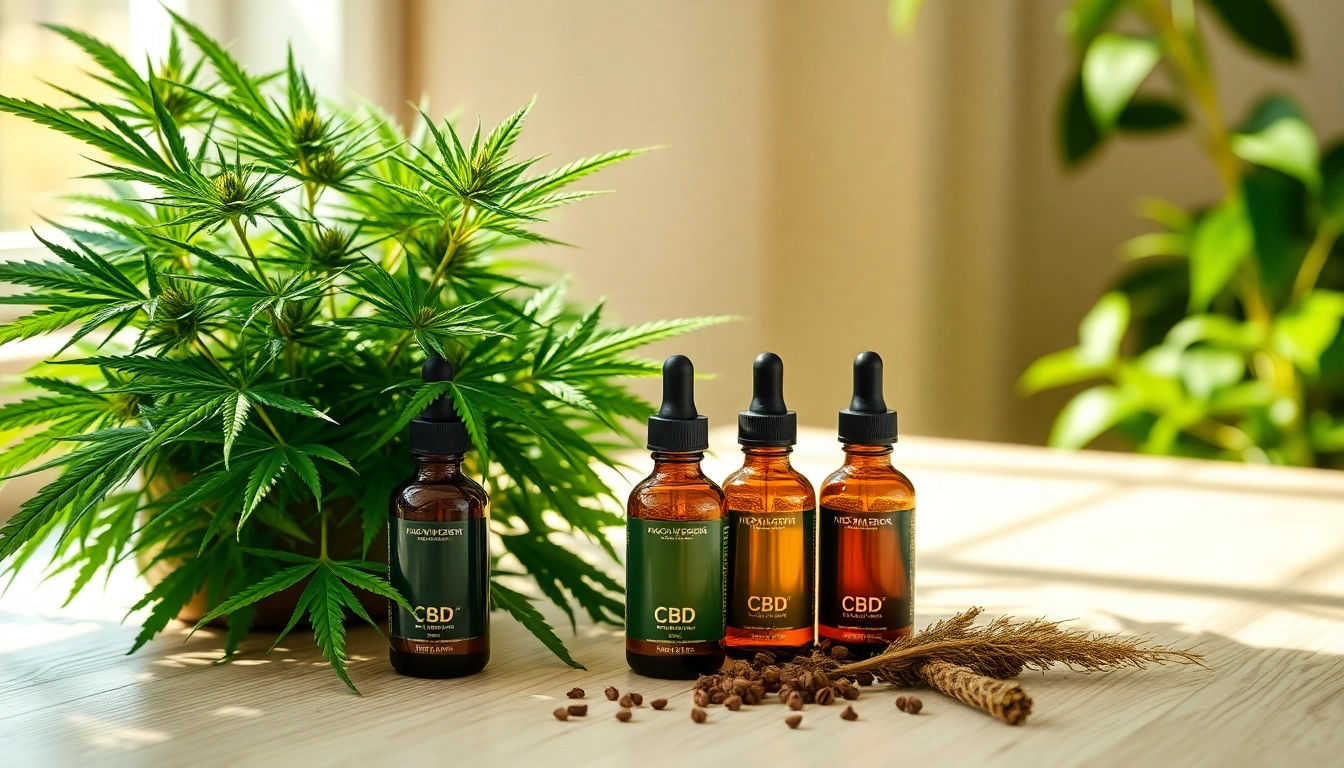
What is CBD?
Defining CBD and its Origins
Cannabidiol, commonly known as CBD, is a prominent compound found in the cannabis plant. Unlike its more infamous counterpart, tetrahydrocannabinol (THC), CBD does not produce a psychoactive effect or a "high," making it an appealing option for those seeking relief without intoxication. CBD is primarily extracted from the hemp variety of cannabis, which has low levels of THC (typically less than 0.3%). This non-psychoactive property is a significant characteristic that differentiates it from THC and has sparked interest in its potential therapeutic benefits.
The historical use of cannabis dates back thousands of years, with ancient civilizations utilizing the plant for its medicinal properties. In recent years, increased scientific scrutiny and changing legal landscapes have helped shift CBD from a marginal to a mainstream wellness product. Today, it is available in various forms, including oils, edibles, and topical applications, catering to a wide audience interested in natural remedies.
Difference Between CBD and THC
Understanding the differences between CBD and THC is crucial for consumers interested in the effects of cannabis-derived products. While both are cannabinoids and share similar origins, their effects and legal standings differ significantly. THC is known for its psychoactive properties, which can lead to altered mental states and moods. In contrast, CBD is heralded for its therapeutic potentials, including anxiety reduction, pain relief, and anti-inflammatory effects.
Unlike THC, which binds directly to CB1 receptors in the brain and central nervous system, CBD interacts with the body’s endocannabinoid system differently. It acts indirectly, enhancing the body's overall physiological functions without causing the high associated with THC. This nuanced interaction is what makes CBD a popular choice for people looking to manage various health conditions without the mind-altering effects of cannabis.
How CBD Works in the Body
The human body has an intricate endocannabinoid system (ECS) that consists of receptors, endocannabinoids, and enzymes. The ECS plays a vital role in maintaining homeostasis—your body's equilibrium. CBD influences the ECS by modulating the activity of these receptors, thus impacting a variety of bodily functions such as pain perception, mood regulation, sleep patterns, and immune response.
Research indicates that CBD may promote the production of endocannabinoids (the body’s natural cannabis-like compounds) which aid in balancing various physiological processes. This balance can help alleviate discomfort associated with inflammation, anxiety, and chronic pain, contributing to overall well-being. Although extensive research is still required to fully understand the specific pathways through which CBD exerts its effects, preliminary studies indicate a promising therapeutic potential.
Benefits of CBD for Health
CBD and Anxiety Relief
Anxiety disorders are among the most prevalent mental health issues, affecting millions worldwide. Traditional treatments such as therapy and medications, while effective for some, may come with undesirable side effects. CBD has emerged as a potential alternative for managing anxiety symptoms.
Studies suggest that CBD may have anxiolytic properties, helping to alleviate symptoms associated with social anxiety, PTSD, and generalized anxiety disorder. For example, a study demonstrated that participants suffering from social anxiety experienced reduced anxiety levels when they took CBD prior to a public speaking simulation. The compound appears to affect brain receptors related to mood and stress responses, making it a potential tool for managing anxiety without the side effects associated with many traditional medications.
Managing Pain with CBD
CBD is gaining recognition for its analgesic properties, making it a supplement of interest for those managing chronic pain conditions. Research indicates that CBD may help reduce inflammation and pain in conditions such as arthritis, multiple sclerosis, and general nerve pain. The compound interacts with CB2 receptors in the immune system, which may help modulate pain and inflammation.
Patients seeking alternatives to conventional pain relief methods, including opioids, may find that CBD provides a safer option with fewer side effects. Anecdotal evidence, combined with emerging scientific studies, suggests that CBD can improve quality of life for individuals suffering from chronic pain.
CBD for Sleep Disorders
Sleep disorders, including insomnia and sleep apnea, affect a significant portion of the population. Maintaining a healthy sleep cycle is crucial for overall health and well-being. CBD's potential to promote better sleep is one of the most discussed benefits among consumers and researchers alike.
Some studies indicate that CBD may address the root causes of sleep issues, such as anxiety and pain, thus facilitating more restful sleep. Additionally, CBD may influence the sleep-wake cycle by interacting with receptors that regulate sleep, leading to improved sleep quality and duration. Many users report benefit from CBD products specifically designed to assist with sleep, highlighting their effectiveness in promoting a sense of calm before bedtime.
Common Uses of CBD Products
CBD Oils and Tinctures
CBD oils and tinctures are among the most popular forms of CBD, known for their convenience and versatility. Typically administered via sublingual drops, these products allow for quick absorption into the bloodstream, providing rapid effects. CBD oils can be formulated with varying concentrations, making them suitable for users with different levels of experience or specific health goals.
Many users appreciate the ability to easily control their dosage, allowing for personalized use tailored to individual needs. Whether used for anxiety relief, pain management, or sleep improvement, CBD oils can be a powerful tool in one's wellness toolkit. Additionally, the taste can be masked by adding them to food and beverages, further increasing their appeal.
Topical CBD Products
Topical CBD products have gained popularity for those seeking localized relief from pain and inflammation. Creams, balms, and salves infused with CBD are designed for direct application to the skin, targeting specific areas of discomfort. By interacting with the endocannabinoid receptors in the skin, these products may be effective in alleviating conditions like arthritis, muscle soreness, and even skin irritations.
The localized application allows for minimal systemic absorption, meaning users tend to experience fewer side effects while benefiting from the anti-inflammatory properties of CBD. Whether used by athletes for recovery or individuals managing chronic pain, topical CBD products cater to various needs.
Edibles and CBD-infused Foods
CBD edibles, including gummies, chocolates, and beverages, offer a convenient and enjoyable way to incorporate CBD into one’s diet. These products provide a discreet option for those looking to reap the benefits of CBD without the need for traditional delivery methods like oils or vaporization. Edibles are often pre-measured, making dosage straightforward and manageable for users.
While the onset of effects may take longer compared to oils or tinctures, many appreciate the longer-lasting relief that edibles can provide. Additionally, the variety of flavors and formulations available allows consumers to select products that best suit their tastes and preferences.
Potential Risks and Side Effects of CBD
Understanding Possible Side Effects
While many individuals tolerate CBD well, it is not without its potential side effects. Some users may experience symptoms such as dry mouth, dizziness, fatigue, or changes in appetite. Knowing these potential side effects is crucial for anyone considering CBD as part of their wellness routine.
Research highlights that side effects are generally mild and temporary. However, individuals with specific health conditions or those taking certain medications should consult with a healthcare professional before starting CBD to ensure safety and compatibility.
Interactions with Other Medications
CBD can interact with certain medications metabolized by the liver, which may influence how these drugs are processed. This is primarily due to CBD's effect on cytochrome P450 enzymes, which play a critical role in drug metabolism. As such, individuals taking medications for high blood pressure, anticoagulants, or certain antidepressants should consult with a healthcare provider before incorporating CBD into their regimen.
Being aware of these potential interactions can help users avoid adverse effects and better understand how CBD may complement or alter the effects of their existing medications.
Long-term Research on CBD Safety
The long-term effects of CBD use are still an area of active research. Preliminary data suggest that CBD is well-tolerated with a low risk of dependence, especially in comparison to other substances. Continued research is essential to establish comprehensive safety profiles and effective dosages for various populations.
As more studies emerge, individuals interested in using CBD should stay informed and consider products that have undergone rigorous testing and quality control measures to ensure safety and efficacy.
Choosing Quality CBD Products
Identifying Lab-Tested CBD Products
With the increasing popularity of CBD products, quality control and product safety are paramount. Consumers should seek out products that have been independently lab-tested for purity and potency. Third-party testing ensures that the CBD content matches what is stated on the product label and verifies the absence of harmful substances such as heavy metals, pesticides, and solvents.
Reputable manufacturers openly share lab results and Certificate of Analysis (COA) reports, which provide essential information regarding the product’s cannabinoid profile and safety standards.
Recognizing Quality Certifications
In addition to lab tests, look for quality certifications that indicate adherence to industry standards. Certifications from organizations that oversee organic practices, manufacturing processes, and safety guidelines can provide additional assurance regarding the quality of CBD products. Being conscious of these certifications can be a key factor in selecting reputable brands.
How to Read CBD Labels Effectively
Understanding product labels is crucial for making informed choices regarding CBD products. Labels should clearly indicate the concentration of CBD per serving, the total volume of the product, and any additional ingredients. Consumers should also look for information regarding extraction methods, whether the product is full-spectrum, broad-spectrum, or isolate, and dosage recommendations.
Having a clear understanding of what to look for on CBD labels can empower consumers to select the right products that align with their health needs and assist in maximizing the benefits of CBD use.
In summary, CBD is a versatile compound with a growing body of research highlighting its potential benefits for health and well-being. As consumers increasingly look toward natural alternatives for managing health problems, CBD offers a promising option—provided one approaches it with knowledge and caution. With proper education and product selection, individuals can safely explore the benefits of CBD in their daily lives.