
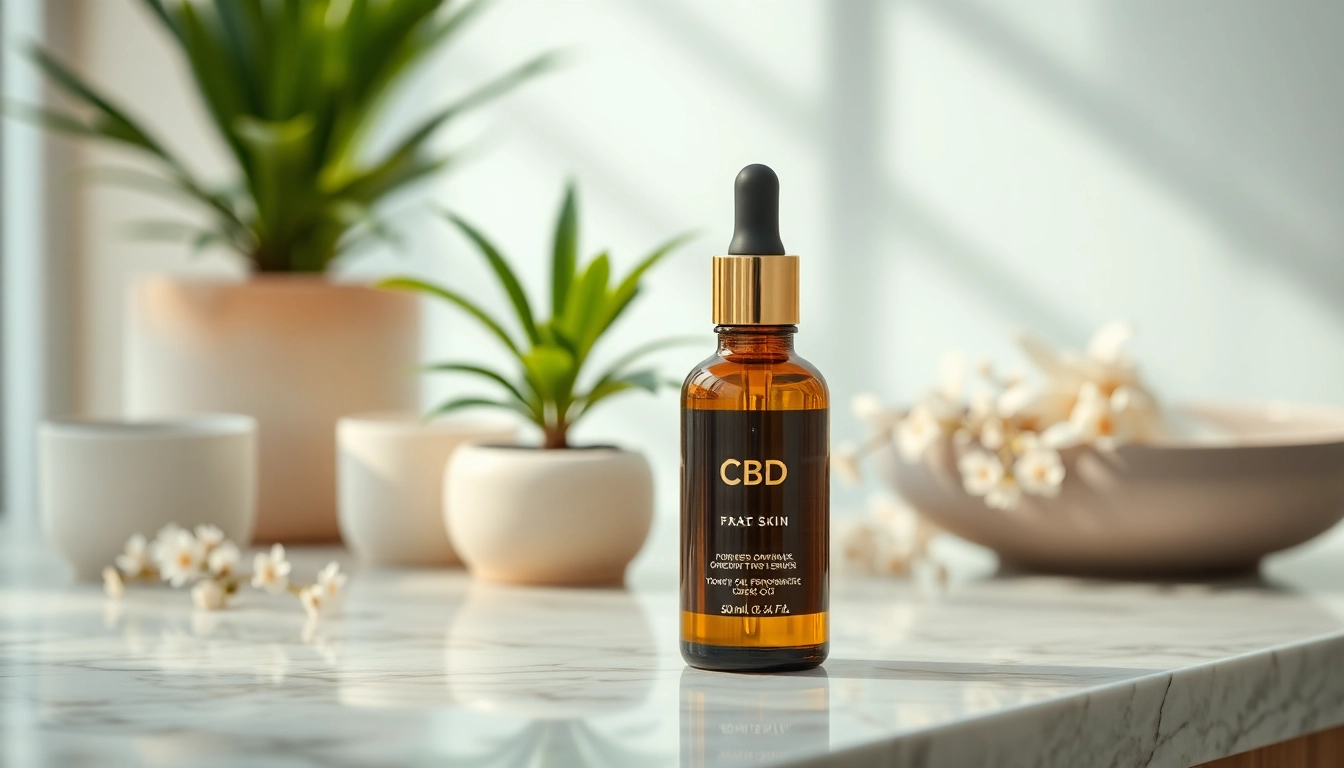
Introduction to CBD Oil for Skin
Cannabidiol (CBD) oil has emerged as a powerful player in the beauty and skincare industry, drawing considerable attention due to its potent properties and versatility. As more individuals look towards natural alternatives for skincare solutions, the integration of CBD oil for skin proves increasingly relevant. Understanding the transformative effects of CBD oil on skin health is essential not only for consumers but also for beauty enthusiasts aiming to meet growing demands for natural skincare products.
What is CBD Oil and Its Origins?
CBD oil comes from the cannabis plant, primarily from hemp, which contains low levels of the psychoactive compound THC. The extraction process captures the beneficial cannabidiol while minimizing THC levels to ensure users do not experience euphoric effects. Historically, cannabinoids have been used in traditional medicine for centuries, but recent advancements have fueled a newfound interest in CBD, especially in dermatology.
The Rise of CBD in Skincare
The transition of CBD from a fringe component in traditional and medical societies to a mainstream ingredient in skincare is nothing short of remarkable. Skincare products enriched with CBD began to flourish in the marketplace, often marketed for their anti-inflammatory and hydrating qualities. The growing interest is supported by an expanding body of research backing CBD’s efficacy in skin healing and maintenance. Innovators in the skincare industry have scrambled to capitalize on this trend, developing a wide array of products ranging from lotions to serums infused with CBD.
Why You Should Consider CBD Oil for Skin
Given its multifaceted benefits and growing popularity, CBD oil presents an exciting addition to skincare routines. Its unique combination of anti-inflammatory, antioxidant, and moisturizing properties positions it as a valuable ingredient for various skin types. This article unpacks the key benefits of CBD oil for skin and offers insights on how to utilize it effectively within skincare regimes.
Key Benefits of CBD Oil for Skin
Hydration and Moisture Retention
One of the standout features of CBD oil is its ability to hydrate and retain moisture within the skin. By assisting the skin barrier, CBD oil minimizes water loss and enables healthier, plumper skin. With dry skin being a common concern, products containing CBD oil can offer soothing relief and hydration, ideal for those struggling with parched or tight feeling skin.
Combatting Inflammation and Redness
Inflammation is both a trigger and symptom for various skin conditions, from acne to rosacea. CBD oil possesses remarkable anti-inflammatory properties, acting to soothe irritated skin while reducing redness and swelling. Regular application of CBD-infused skincare can lead to clearer, more even-toned skin, offering a natural solution to those combating issues such as sensitive skin or active breakouts.
Potential to Treat Acne and Breakouts
Studies suggest that CBD may effectively regulate sebum production, a primary contributor to acne formation. By balancing oil levels in the skin, CBD oil helps prevent pores from becoming clogged, thus reducing the likelihood of breakouts. Additionally, its antibacterial characteristics can combat the bacteria responsible for acne flare-ups, leading to smoother and clearer skin over time.
How to Use CBD Oil for Skin Effectively
Selecting the Right Products
Understanding the diverse forms CBD oil can take is critical for maximizing its benefits. When choosing CBD oil products for skincare, consumers should seek formulations that are third-party tested and sourced from reputable producers. Options range from pure oil to serums, creams, and lotions, each offering specific benefits tailored to different skin needs.
Application Techniques for Maximum Benefits
The way CBD oil is applied can significantly influence its effectiveness. For optimal results, it is advisable to apply CBD oil directly to clean skin after cleansing. This ensures maximum absorption and efficacy. Those with sensitive or acne-prone skin may benefit from combining CBD oil with carrier oils like jojoba or coconut, which provide added nourishment without clogging pores.
Incorporating CBD Oil into Your Routine
Integrating CBD oil into an existing skincare routine does not have to be daunting. Start by replacing one existing product with a CBD-infused version to gauge how your skin reacts. Over time, as any potential positive effects become noticeable, users can gradually incorporate additional CBD products, paired with a consistent routine focused on hydration and protection.
Safety and Side Effects of CBD Oil for Skin
Understanding Possible Reactions
While CBD oil is generally regarded as safe, individual reactions can vary based on skin type, sensitivity, and the formulation of the product. Users are encouraged to conduct patch tests prior to full application to identify any potential adverse reactions. Common symptoms of irritation may include redness, itching, or burning sensations.
Consultation with Healthcare Professionals
For those with underlying skin conditions or concerns, consulting with a healthcare professional before adding CBD oil to a skincare regimen is advisable. Experts can provide personalized recommendations and determine if CBD oil will be a beneficial addition to one's routine.
Allergy Testing and Patch Tests
Patch testing is a straightforward yet critical step in ensuring compatibility with CBD oil products. Place a small amount of the product on a discreet skin area (such as the forearm) and monitor for 24 to 48 hours. If irritation occurs, discontinue use, but if there are no adverse reactions, it's likely safe for broader application.
What to Look for in Quality CBD Oil for Skin
Ingredients and Formulation Standards
When selecting CBD oil for skincare, it is crucial to prioritize products with clean, high-quality ingredients. Consumers should strive to avoid products with synthetic additives or harmful chemicals. Look for formulations that include additional beneficial ingredients like vitamins, peptides, and natural extracts to enhance the product's effectiveness.
Sourcing and Production Transparency
Transparency in sourcing and production processes speaks volumes about product quality. Reputable brands will provide detailed information about their hemp sources, extraction methods, and overall production practices. This kind of transparency helps build trust and ensures that consumers are using safe, ethical products.
Certifications and Lab Testing Results
Independently tested products will often display lab results or Certificates of Analysis (COAs) verifying their CBD content, potency, and absence of harmful substances. These certifications not only confirm the inclusion of desired ingredients but also alleviate safety concerns related to contaminants or mislabeling.