
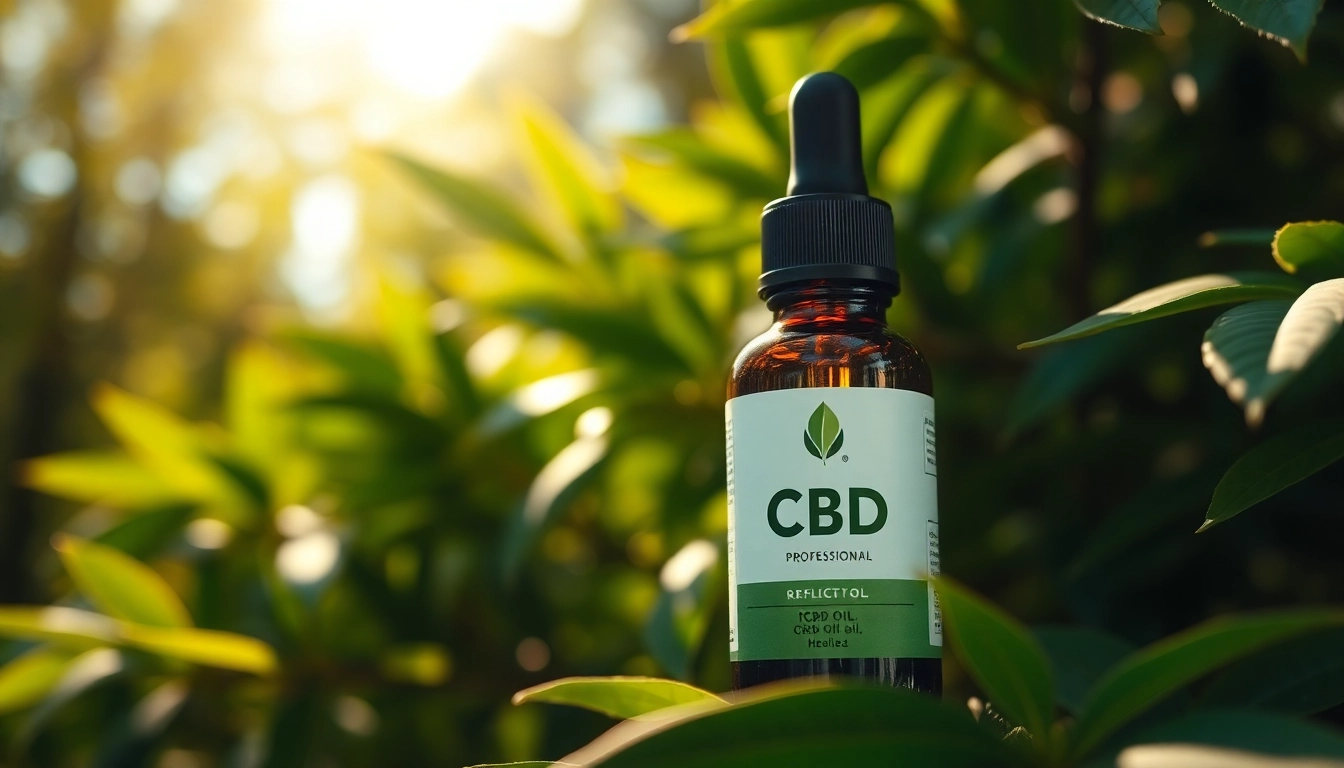
What is CBD Oil?
Understanding Cannabidiol and its Origins
Cannabidiol, commonly known as CBD, is a naturally occurring compound found in the cannabis plant. It is one of over 113 cannabinoids identified in cannabis and accounts for nearly 40% of the plant's extract. Unlike THC (tetrahydrocannabinol), CBD is non-intoxicating and does not produce a "high." This property has spurred growing interest in CBD Oil as a therapeutic option for various health challenges. Emerging research suggests that CBD interacts with the endocannabinoid system (ECS), a complex network of receptors and neurotransmitters responsible for maintaining homeostasis in the body.
The ECS plays a crucial role in various physiological processes including pain sensation, mood regulation, and immune response. Understanding how CBD influences this system is central to appreciating its potential health benefits. For a comprehensive understanding of CBD Oil, you may explore a reputable source like CBD Oil.
The Extraction Process of CBD Oil
Extracting CBD Oil from cannabis involves several methods, each with distinct advantages and disadvantages. The most common methods include CO2 extraction, solvent extraction, and oil infusion.
- CO2 Extraction: This is considered the gold standard for extracting CBD Oil. It uses supercritical carbon dioxide to isolate cannabinoids without leaving harmful residues. This method yields pure and potent CBD Oil.
- Solvent Extraction: While effective, this method uses solvents like ethanol or butane which can leave behind contaminants if not properly purged. It's crucial that consumers are aware of the extraction method to ensure product safety.
- Oil Infusion: This ancient method involves steeping cannabis in olive oil or another carrier oil. Although less efficient than CO2 extraction, it is safe and can be done at home.
Types of CBD Oil: Full-Spectrum, Broad-Spectrum, and Isolate
CBD Oil is available in several formulations. Understanding these differences can aid consumers in selecting the right type for their needs.
- Full-Spectrum CBD Oil: Contains all cannabinoids found in the cannabis plant including THC (below 0.3%). This formulation is thought to enhance the "entourage effect," where various components work synergistically for greater therapeutic benefits.
- Broad-Spectrum CBD Oil: Similar to full-spectrum but with THC removed. This type maintains the entourage effect while eliminating the intoxicating issues associated with THC.
- CBD Isolate: The purest form of CBD, containing no other cannabinoids or terpenes. It provides a straightforward option for those who desire CBD without any other components of the plant.
Health Benefits of CBD Oil
Pain Relief and Inflammation Reduction
One of the most well-known benefits of CBD Oil is its potential ability to relieve pain and reduce inflammation. Research indicates that CBD may influence receptors in the brain and immune system to alleviate pain. Preclinical studies have shown promising results, especially for chronic conditions such as arthritis and multiple sclerosis.
Moreover, CBD may help manage pain through its anti-inflammatory properties. By interacting with cannabinoid receptors, it can inhibit the release of inflammatory cytokines while promoting a sense of well-being. Anecdotal evidence suggests that individuals suffering from various forms of pain find significant relief when incorporating CBD Oil into their routine.
Anxiety and Stress Management with CBD Oil
Numerous studies have demonstrated the potential of CBD Oil as an anxiolytic or anxiety-relieving agent. This is particularly relevant in today's world where stress and anxiety levels are on the rise. Research suggests that CBD may aid in reducing feelings of anxiety and enhancing sleep.
One study indicated that participants experienced significantly decreased anxiety after taking CBD before public speaking events. While further scientific exploration is ongoing, many users report a calming effect that adds valuable support in managing everyday stressors.
Potential Neuroprotective Effects
The neuroprotective properties of CBD are significant in discussions about brain and cognitive health. Early research has suggested that CBD may be beneficial for neurodegenerative diseases such as Alzheimer's and Parkinson's disease. This effect is likely attributed to its anti-inflammatory and antioxidant properties, which can help to shield neurons from damage.
CBD's interaction with the ECS may also facilitate neurogenesis—the process by which new neurons are generated—favorably impacting brain health. More clinical trials are necessary to solidify these claims, but the initial findings provide optimism for those concerned about cognitive decline.
How to Use CBD Oil Effectively
Recommended Dosages for Different Health Concerns
Determining the right dosage of CBD Oil can be challenging due to individual variances in body chemistry, severity of conditions, and tolerance levels. It's generally recommended that new users start slow to assess their response before increasing the dosage.
Common dosage recommendations indicate starting with 5-10 mg of CBD and gradually adjusting until the desired effects are achieved. For specific conditions—such as anxiety or chronic pain—some studies suggest higher doses of 20-50 mg may be necessary for optimal results. Nevertheless, consulting with a healthcare professional before initiating CBD Oil can guide users toward safe and effective dosing.
Methods of Consumption: Tinctures, Capsules, and Topicals
CBD Oil is versatile in its methods of consumption. Each method offers unique advantages.
- Tinctures: These liquid extracts are taken sublingually (under the tongue), allowing for faster absorption into the bloodstream. Tinctures are a popular choice for those seeking quick effects.
- Capsules: Ideal for individuals who dislike the taste of oils, capsules provide a precise dosage and are easy to incorporate into daily routines. However, they may take longer to take effect compared to tinctures.
- Topicals: Creams, balms, or lotions infused with CBD are beneficial for localized pain relief. They're applied directly to the skin and are ideal for conditions such as arthritis or muscle soreness.
Incorporating CBD Oil into Daily Routines
Integrating CBD Oil into daily habits can enhance its therapeutic potential. Here are some suggestions:
- Morning Regimen: Start the day with a morning dosage with tea or breakfast to promote focus and reduce morning anxiety.
- Exercise Recovery: Post-workout, using a topical CBD product can alleviate muscle soreness and reduce inflammation.
- Bedtime Routine: Incorporate CBD into your evening routine to help unwind and promote better sleep quality.
Risks and Side Effects of CBD Oil
Common Side Effects to Watch For
While many find CBD Oil well-tolerated, potential side effects do exist. These may include:
- Dry mouth
- Diarrhea
- Fatigue
- Changes in appetite or weight
These effects are generally mild and can vary based on dosage and individual body chemistry. Monitoring your body's reactions to CBD is essential for adjusting usage accordingly.
Drug Interactions: What You Should Know
CBD Oil may interact with specific medications, particularly those that carry a "grapefruit warning." This means it may affect the metabolism of drugs processed in the liver. It's crucial for users to inform their healthcare providers about all supplements and medications being taken to assess any potential interactions.
Legal Considerations and Safe Usage
The legality of CBD varies significantly by region and state. In many places, CBD derived from hemp containing less than 0.3% THC is legal, while cannabis-derived CBD with higher THC levels may be restricted. It’s essential to verify local laws and ensure that products are sourced from reputable suppliers that comply with legal standards.
Choosing the Right CBD Oil for You
Factors Influencing Quality of CBD Oil
Not all CBD Oils are created equal. Key factors that influence the quality include:
- Source of Hemp: Organic, US-grown hemp is associated with high-quality CBD due to stringent regulations on pesticide and chemical use.
- Extraction Method: As previously discussed, CO2 extraction is the top of the line for purity.
- Third-party Testing: Reputable brands should provide certificates of analysis (COAs) from independent labs confirming the potency and purity of their products.
How to Read Labels and Understand Product Claims
Understanding product labels is crucial when selecting CBD Oil. Key components to assess include:
- CBD Concentration: This indicates how much CBD is present in each serving. Knowing this helps in determining efficacy based on dosing needs.
- Ingredients: Check for any additives, flavorings, or preservatives that may dilute or affect the overall quality of the oil.
- Expiration Date: Like any health product, CBD Oil has a shelf life that should not be overlooked.
Where to Buy High-Quality CBD Oil
Purchasing CBD Oil should be done through trusted sources. Recommendations include health food stores, specialized hemp shops, and online retailers that prioritize transparency and quality control. Always ensure that a product is fully compliant with local laws and regulations before purchasing.