
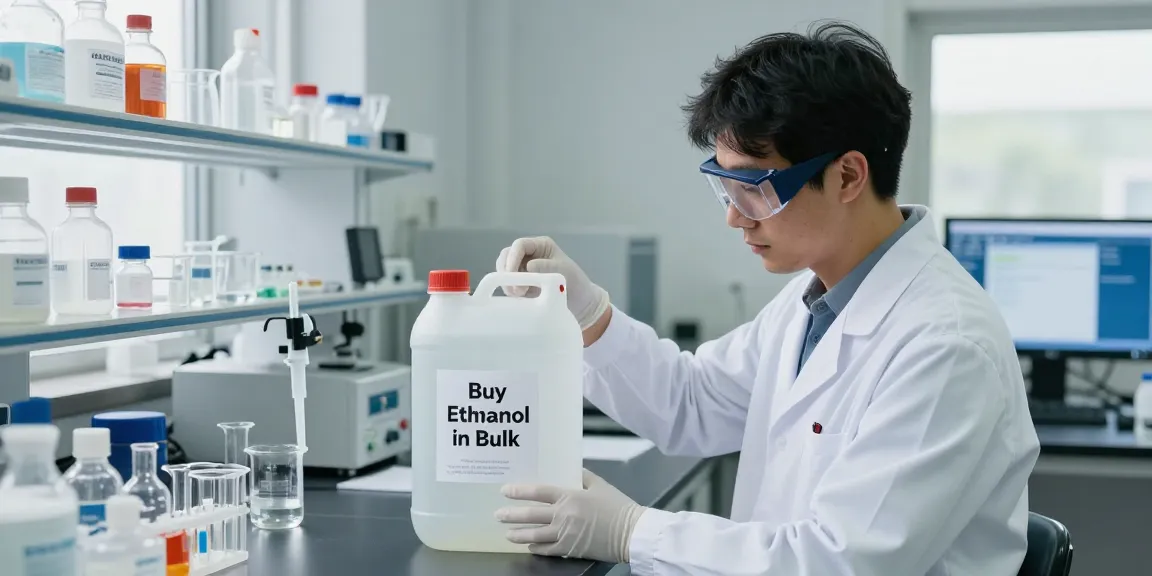

The Importance of Sourcing Ethanol Bulk
In the realm of research and industrial applications, the procurement of chemicals plays a pivotal role in ensuring successful outcomes. Among these chemicals, ethanol stands out as a versatile solvent and reagent. Researchers and industrial entities are increasingly realizing the benefits of bulk purchases, which not only streamline operations but also mitigate costs. To understand the critical nature of sourcing ethanol effectively, one must delve into the myriad advantages and considerations associated with buying ethanol in bulk.
Why Buy Ethanol in Bulk for Research
When considering the best methods for chemical procurement, choosing to buy ethanol in bulk can significantly enhance laboratory efficiency. Bulk purchasing reduces the frequency of orders, which can improve inventory management and ensure that labs are always stocked with necessary solvents. Moreover, bulk ethanol supplies can support extensive experimental setups, enabling researchers to conduct larger-scale studies without interruption.
Key Benefits of Bulk Purchases
- Cost Savings: Buying in larger quantities often leads to substantial savings per unit, significantly impacting the overall budget.
- Reduced Shipping Costs: Bulk orders typically incur lower shipping fees relative to smaller, frequent orders.
- Increased Availability: Maintaining a steady supply ensures that research can continue uninterrupted, fostering innovation and productivity.
- Consistency in Quality: Bulk purchases can lead to stable product quality, which is crucial for scientific reproducibility.
Common Misconceptions About Ethanol Supply
Despite the clear advantages, several misconceptions about bulk ethanol procurement persist. Some researchers believe that ordering in bulk ties up resources unnecessarily. However, when approached correctly, bulk purchases can optimize cash flow and resource allocation. Others may think that bulk storage of ethanol is complex and requires specialized facilities, but many institutions can easily accommodate large quantities with proper planning and safety measures.
Quality Assurance in Ethanol Procurement
Quality remains a top priority when sourcing ethanol, as impurities can significantly affect research outcomes. Understanding purity levels and supplier reliability is essential for maintaining high standards in experimental procedures.
Understanding Purity Levels
Ethanol purity is a critical factor that can impact the reliability of laboratory results. Most research-grade ethanol products boast purities exceeding 95%, but for certain applications, such as in analytical chemistry, purities above 99% may be necessary. Familiarizing oneself with the specifications of different grades of ethanol can aid in selecting the right product for specific applications.
How to Assess Supplier Reliability
When procuring ethanol, it is vital to establish relationships with suppliers known for their reliability and integrity. Look for suppliers that provide detailed certificates of analysis (COAs) with every order. These documents should verify the purity, possible contaminants, and batch number. Engaging with suppliers who have a track record of compliance with regulatory standards can also provide peace of mind.
Regulatory Compliance for Chemical Purchases
As with any chemical procurement, adhering to regulatory guidelines is crucial. Depending on the jurisdiction, there may be specific regulations governing the purchase, storage, and disposal of ethanol. Familiarizing oneself with these regulations can mitigate legal risks and ensure safe laboratory practices, especially concerning bulk purchases.
Challenges in Bulk Ethanol Supply
While the advantages of buying ethanol in bulk are clear, several challenges must be navigated to ensure successful procurement and usage.
Logistical Considerations in Procurement
Logistics plays a significant role in the successful acquisition of bulk ethanol. Factors such as delivery times, transportation methods, and storage facilities can impact the overall supply chain. Establishing a reliable logistics plan that includes contingency measures can safeguard against potential disruptions.
Mitigating Risks Associated with Chemical Handling
Handling chemicals, especially in bulk, presents unique risks. Proper training of staff, alongside stringent safety protocols, is essential to prevent accidents. Additionally, investing in appropriate storage solutions that comply with safety standards can minimize the risks associated with bulk chemical storage.
Environmental Impacts and Sustainability
As industries shift towards more sustainable practices, the environmental impact of chemical procurement becomes increasingly important. Ethanol, particularly when derived from renewable sources, offers a more environmentally friendly option compared to fossil fuels. Researchers and companies can contribute to sustainability by opting for suppliers that prioritize eco-friendly practices and certifications.
Strategies for Cost-Effective Ethanol Purchase
To maximize the benefits of bulk procurement, employing strategic purchasing techniques can lead to significant cost savings.
Negotiating with Suppliers for Better Rates
When sourcing bulk ethanol, negotiation is key. Establishing long-term relationships with suppliers may lead to better pricing options and terms. Regular communication regarding market trends and pricing can keep procurement costs in check.
Leveraging Volume Discounts for Laboratories
Many suppliers offer tiered pricing structures, where purchasing larger quantities results in discounts. Understanding these pricing models can enable laboratories to capitalize on savings opportunities without compromising on quality.
Long-Term Contracts vs. Spot Buying
Deciding between long-term contracts and ad-hoc purchasing can significantly affect procurement strategies. Long-term contracts can ensure stable pricing and supply, while spot buying may offer flexibility to take advantage of fluctuating market prices. Analyzing the specific needs and budget constraints of the research institution can guide the appropriate approach.
Future Trends in Ethanol Supply and Usage
The landscape of ethanol supply and usage continues to evolve, influenced by technological advancements and market demands. Understanding emerging trends can help researchers and institutions adapt their procurement strategies accordingly.
The Shift Towards Green Chemistry
As sustainability becomes a priority across industries, there is a noticeable shift towards green chemistry principles. This includes the use of ethanol derived from renewable sources, which presents a more sustainable option for laboratory practices.
Technological Advancements in Ethanol Production
Innovations in production technologies, such as enhanced fermentation processes and bioreactor efficiency, are shaping the future of ethanol supply. Understanding these advancements can guide researchers in selecting the most effective products for their needs.
Predictions for 2026: What to Expect in the Market
As we look towards 2026, the demand for ethanol is expected to grow alongside the increasing emphasis on sustainability and renewable resources. Research institutions will likely prioritize suppliers who can offer reliable, high-quality ethanol with a commitment to environmental responsibility.
Frequently Asked Questions
What is the best way to buy ethanol in bulk?
The best way to buy ethanol in bulk involves researching reputable suppliers, understanding purity specifications, and negotiating favorable terms to ensure consistency and reliability.
Is bulk ethanol sourcing cost-effective for smaller labs?
Yes, bulk sourcing can often be cost-effective for smaller labs, especially if they are able to take advantage of volume discounts and reduce shipping costs through larger orders.
How can I ensure quality when purchasing ethanol?
Ensuring quality involves working with trusted suppliers who provide detailed product information, including certificates of analysis and adherence to relevant regulatory standards.
What regulations apply when buying bulk chemicals?
Regulations can vary significantly based on location and intended use. It is essential to be aware of local laws concerning chemical purchases, storage, and disposal to ensure compliance.
Can bulk ethanol usage be more environmentally friendly?
Yes, using ethanol from renewable sources and effectively managing supply chains can contribute to a lower environmental footprint while maintaining high research standards.